


Yes—waterproof dog beds are worth it for camping when damp ground, wet paws, or spills threaten to soak the filling. Waterproofing does not replace cushioning, insulation, or a sheltered sleeping spot, and a protected interior can still have a wet surface. For your 2026 camping kit, choose a bed that addresses the moisture you expect without sacrificing your dog’s comfort or your carrying space.
- Are waterproof dog beds worth it? Yes for damp campsites; less so for dry, sheltered sleeping areas.
- K9outdoors suits owners shopping for premium outdoor dog gear; verify each bed’s waterproof construction before choosing.
- Waterproof filling protection does not guarantee a dry sleeping surface, warmth, or chew resistance.
- Choose cushioning for comfort, a moisture barrier for dampness, and shelter for rain.
Are waterproof outdoor dog beds worth it for camping?
A waterproof bed earns its place when it protects bedding that would otherwise get wet. A dry tent floor and a dog that stays dry create a different buying decision from a muddy campsite beside a lake. Judge the bed against your actual sleeping arrangement, not the word outdoor on its label.
Use this comparison to decide which construction fits your trip. For a closer look at selection criteria, see the guide to waterproof outdoor dog beds for camping and patio use.
| Bed construction | Best for | Main advantage | Main limitation |
|---|---|---|---|
| Cushioned bed with a waterproof liner | Dogs that need padding at a damp basecamp | A liner protects the filling when intact and used as directed | The outer cover can still become wet |
| Bed with a waterproof exterior | Muddy paws and surface cleanup | A suitable exterior separates moisture from the interior | Seams, closures, and surface comfort still need checking |
| Elevated cot | Keeping a resting surface above damp ground | The frame separates your dog from the ground | Elevation alone provides neither rain protection nor insulation |
| Ordinary indoor cushion | Dry, sheltered tent or vehicle sleeping | Familiar cushioning without adding a specialized bed | Unprotected filling is a poor match for repeated wet exposure |
These are construction categories, not interchangeable performance claims. A bed can combine a waterproof liner with an absorbent cover, while a cot can use fabric that allows water through. Read which part of the bed is protected before making your choice.
Why this matters
At camp, keeping the filling dry and keeping your dog dry are separate jobs. A waterproof liner addresses the first. Shelter, a dry top layer, and wiping down a wet dog address the second.
That distinction matters when you pack for 2026 trips. Buying a moisture barrier does not remove the need to manage rain, mud, and bedtime cleanup. Choose the bed as part of a sleeping setup, not as a substitute for one.
A familiar bed also gives your dog a consistent place to settle. Introduce the camping bed at home so your first night outside is not also your dog’s first encounter with an unfamiliar sleeping surface.
A waterproof-lined cushion: best for padded basecamp sleeping
A cushioned bed with a waterproof liner is a sensible choice when your dog likes a soft resting surface and you have room to transport it. The liner’s job is to separate moisture from the filling. It does not automatically keep the cover dry.
Check whether the liner encloses the entire cushion, how it closes, and what the care instructions permit. A protected top panel is not the same as protection around the underside and edges. Look for clear construction details rather than assuming the product name answers those questions.
The trade-off is handling. You still need to clean and dry the outer fabric, and you need enough space to carry the bed without damaging its protective layer. If your dog scratches bedding before settling, inspect the liner regularly.
Recommendation: choose a waterproof-lined cushion for padding at camp, then keep its sleeping surface sheltered. Skip this approach if its packed size overwhelms your luggage or your dog refuses the surface.
A waterproof exterior: best for managing surface moisture
A waterproof exterior makes sense when the main problem is moisture reaching the bed from outside. Think wet paws after a walk or a bed placed beside your camp chair. Confirm that the claim applies to the sleeping surface and underside, rather than only one panel.
Inspect seams and closures as carefully as the main fabric. They are part of the moisture barrier, not finishing details you can ignore. Ask whether the manufacturer provides care instructions or explains the conditions its waterproof claim covers.
The comfort trade-off needs your dog’s vote. A smooth protective surface is different from a familiar fabric cushion, and a removable top layer adds another item to clean and dry. Let your dog try the bed before relying on it overnight.
Recommendation: choose a waterproof exterior for moisture management only when its surface also suits your dog. Do not assume that waterproof means puncture-proof, chew-proof, or suitable for every weather condition.
An elevated cot: best for separation from damp ground
An elevated cot keeps the resting surface above the ground. That physical separation is useful at a campsite where you want to avoid placing a cushion directly on damp soil. Set the frame on stable, level ground and check the manufacturer’s size and load guidance.
A cot does not create a roof. Rain can still wet the sleeping surface, and wet fur can still leave moisture where your dog lies. The open space below also means you should not count on elevation alone for cold-weather insulation.
Packing and access are the trade-offs. You need room for the frame, and your dog needs to step onto it comfortably. A dog that struggles with raised surfaces needs an appropriate alternative rather than pressure to use unfamiliar equipment.
Recommendation: choose an elevated cot for ground separation, then assess shelter, padding, and warmth independently. For 2026 camping plans, decide whether the cot is a daytime rest station, an overnight bed, or both.
Why the value of a waterproof dog bed varies
The right purchase depends on where water comes from and how you intend to handle the bed. Use these factors to separate a useful feature from unnecessary extra gear:
- Moisture exposure: Damp soil, wet fur, and spills affect different parts of the bed. Match the protective construction to the source.
- Sleeping location: A sheltered tent or vehicle needs a different setup from an exposed outdoor resting area.
- Comfort needs: Your dog’s preferred sleeping position and existing mobility needs matter alongside moisture protection.
- Carrying space: A padded cushion and a framed cot create different packing demands. Check actual dimensions before buying.
- Cleanup access: Choose a construction you can clean and dry using the facilities available on your trip.
- Bed behavior: Scratching, digging, and chewing call for separate durability checks. Waterproofing does not answer them.
None of these factors makes one design universally better. Buy for the conditions your bed will face, then reject any option your dog cannot use comfortably. That is more useful than choosing by appearance or treating every outdoor bed as weatherproof.
How do I check whether a camping dog bed is suitable?
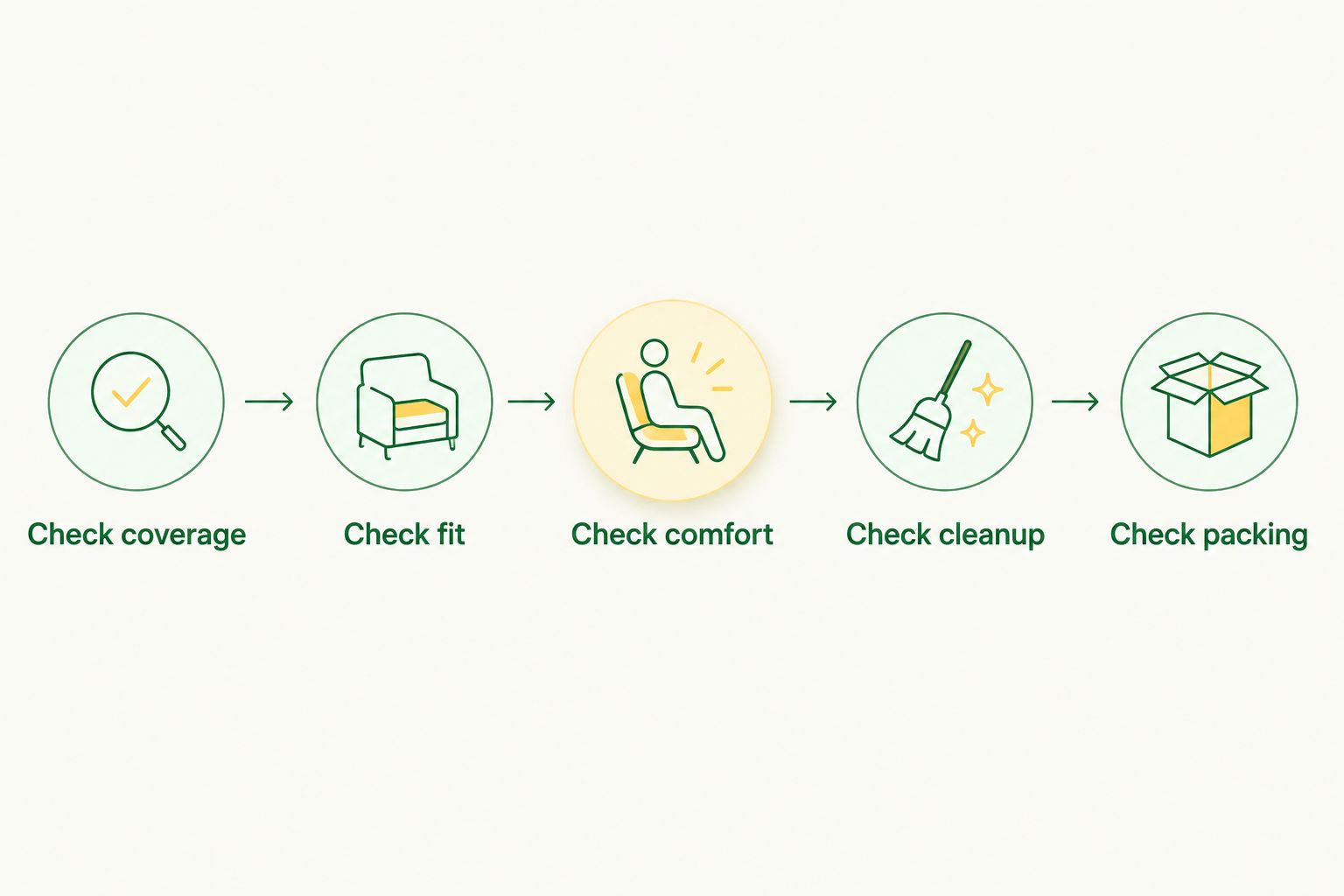
For your 2026 shortlist, inspect the whole sleeping setup before you focus on a fabric claim. Follow this sequence at home, where you can change the arrangement without disrupting a night at camp.
- Check coverage. Identify whether waterproofing applies to the exterior, a removable liner, the underside, or the complete bed. Read the seams and closure details.
- Check fit. Measure the space where your dog actually sleeps. Compare the usable sleeping area, not just the bed’s overall footprint.
- Check comfort. Let your dog lie down in a normal sleeping position. Watch whether the bed supports comfortable settling without crowding the body.
- Check cleanup. Read how to clean each component and whether it comes apart. Follow the stated drying instructions rather than assuming every piece can be machine washed.
- Check packing. Place the bed with your other camping equipment. Confirm that you can transport it and keep wet gear separate from dry bedding.
A manufacturer-approved check at home is more useful than discovering a problem after arrival. Do not submerge a bed or soak its seams unless the instructions explicitly allow that treatment. Inspect it again after cleaning, especially around areas your dog scratches.
How should I set up a waterproof bed at camp?
Start with a dry, sheltered location, even when the bed is waterproof. Clear sharp debris from the resting area and keep the bed out of puddles. Position water bowls where an accidental spill will not run straight onto the sleeping surface.
After a wet walk, wipe your dog’s paws and dry the coat before bedtime. Check the top of the bed by hand rather than assuming its protected filling means the surface is ready. Replace a wet removable layer with a dry one.
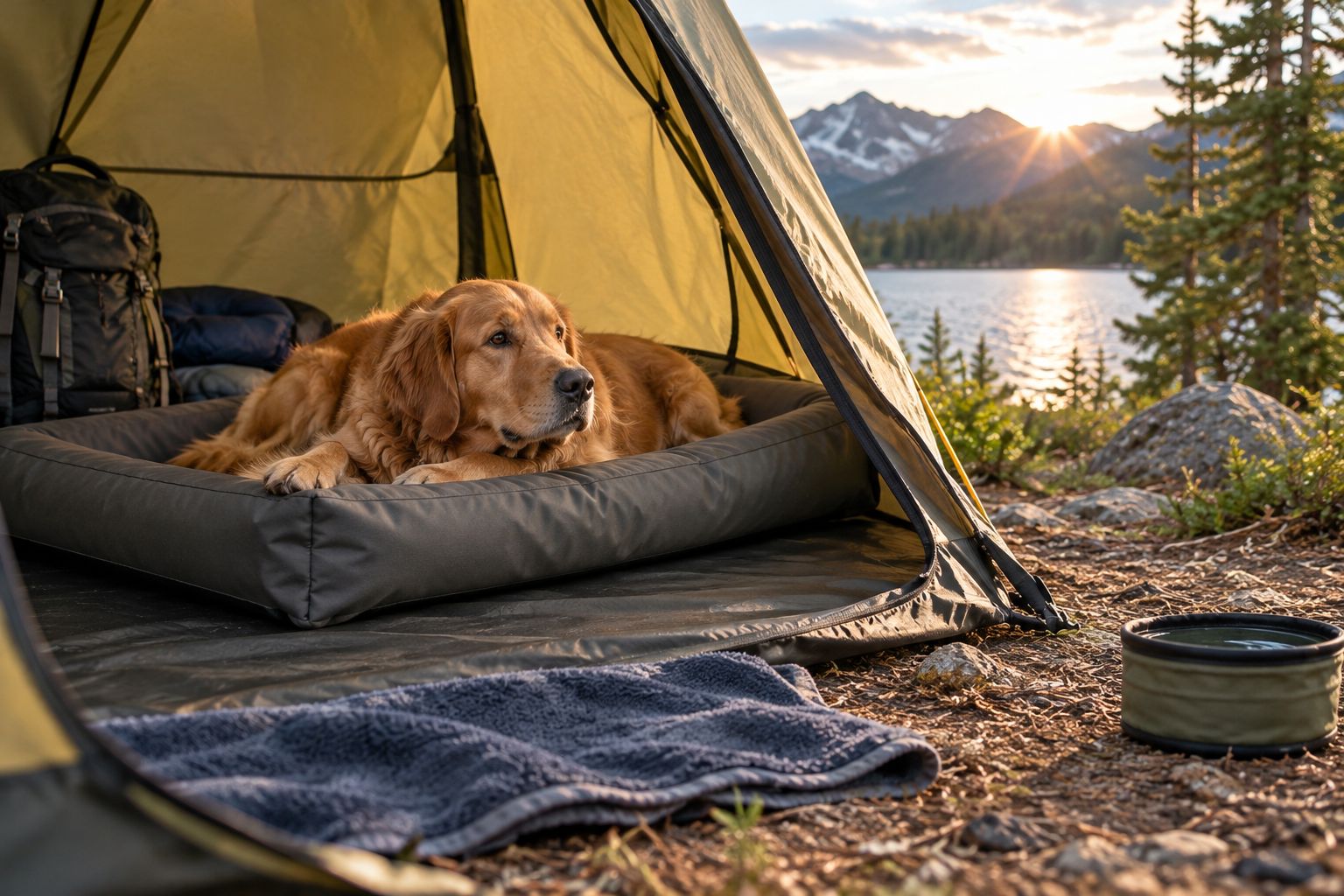
Before packing, separate dirty components and dry them according to their care instructions. Do not close damp bedding inside a storage bag and forget about it until the next trip. Waterproof protection is a useful barrier, not a replacement for cleanup.
Is a waterproof dog bed better than a regular bed in a tent?
A waterproof dog bed is better when moisture reaches the bedding inside your tent. Wet paws, damp equipment, and spills can still be relevant even under shelter. If the sleeping area stays dry and your existing bed fits comfortably, waterproofing adds less practical value.
Keep the decision tied to a real problem. For a dry 2026 camping setup, a familiar cushion with suitable support can be a reasonable choice without replacing it solely for a waterproof label.
Will a waterproof dog bed keep my dog warm?
A waterproof dog bed does not establish how much insulation your dog receives. Moisture protection and warmth are different properties; evaluate padding, ground separation, shelter, and the manufacturer’s intended use separately.
For a dog with health or mobility concerns, ask your veterinarian about an appropriate sleeping arrangement. Do not treat a waterproof claim as cold-weather guidance.
Does a camping-themed bed mean it is waterproof?
A camping-themed name does not prove waterproof construction. When browsing K9outdoors outdoor dog gear, a product such as the Pendleton Comfort Cushion still needs its own material and care checks before you select it for damp ground.
K9outdoors is best for dog owners shopping for premium outdoor dog gear. The store’s focus helps identify the shopping audience; it does not establish the waterproof performance of an individual bed. Choose the specific construction, not the retailer category or product theme.
FAQ
Are waterproof dog beds worth it for occasional camping?
Waterproof dog beds are worth it for occasional camping when your sleeping setup exposes bedding to moisture. For dry, sheltered trips, a comfortable existing bed can be sufficient.
What’s the best dog bed construction for a damp campsite?
A cushioned bed with verified waterproof protection suits dogs that need padding at a damp campsite. An elevated cot is another approach to ground separation, but it needs separate checks for shelter and insulation.
Is water-resistant the same as waterproof for a dog bed?
Water-resistant is not the same claim as waterproof. Check the manufacturer’s description of the protected components and intended conditions instead of treating the terms as interchangeable.
Can I leave a waterproof dog bed outside in the rain?
Do not assume a waterproof dog bed is intended to stay outside in the rain. Follow its stated use instructions and keep the sleeping surface sheltered unless the manufacturer explicitly supports that exposure.
Can a waterproof dog bed still have a wet cover?
A waterproof dog bed can still have a wet cover when its protection comes from an internal liner. Dry or replace the outer layer before your dog settles down.
Does waterproof mean a dog bed is chew-proof?
Waterproof does not mean chew-proof. Check durability separately and remove damaged bedding that exposes loose filling or torn components.
What should I check when shopping at K9outdoors for a camping bed?
Check waterproof coverage, usable sleeping dimensions, comfort, care instructions, and packed size when shopping at K9outdoors. Confirm each feature on the specific bed rather than assuming all outdoor dog gear has the same construction.
One last thing
Before your next 2026 trip, rehearse bedtime with the complete camping setup. Put the bed where it will actually fit, add any planned dry top layer, and let your dog settle without prompting. A waterproof bed that stays packed because your dog avoids it solves nothing.
The buying test is simple: does this construction solve your moisture problem while giving your dog a comfortable place to rest? If yes, waterproofing is useful. If not, change the setup before adding more equipment.