

Best overall: a stainless steel bowl for everyday feeding. Best for shallow-access meals: Sunflower Softie eTray. Best for hiking: a collapsible travel bowl. Best ceramic option for a home feeding station: Pendleton Ceramic Dog Bowl. This 2026 guide compares dog bowls by cleaning, feeding access, stability, and packability.
- Stainless steel dog bowls are the best default for daily meals and water.
- Sunflower Softie eTray is the shallow slow-feeder pick for flat-faced dogs, puppies, and gentle mouths.
- Choose a collapsible travel bowl for hiking, not as a chew-resistant feeding solution.
- Consider Pendleton Ceramic Dog Bowl for home use; inspect ceramic regularly for chips and cracks.
Why this matters
Your kitchen floor and your trail pack ask different things of a bowl. At home, easy cleaning and comfortable access matter most; outdoors, you also need a bowl that packs away and stands securely on uneven ground.
K9outdoors dog bowls fit into a wider home-and-adventure routine, but the right choice starts with your dog's habits rather than matching every accessory. Explore K9outdoors with a clear job in mind: everyday feeding, slower meals, or portable drinking.
Plan around 2 everyday bowls: one for food and one for water. Add 1 travel bowl if your dog joins you on walks, hikes, or road trips. These are practical setup recommendations, not a reason to replace bowls that already work well.
What makes the best dog bowls?
For this 2026 guide, these criteria determine which bowl belongs in each use-case slot:
- Cleaning access: You should be able to reach the entire eating surface, including corners, folds, and grooves.
- Comfortable reach: Match the opening and depth to your dog's muzzle, not just the amount of food you serve.
- Stability: Choose a base that stays upright on the surface where your dog actually eats.
- Material condition: Reject sharp edges, damaged coatings, cracks, and pieces your dog can pull loose.
- Portability: A trail bowl should fit your packing routine without becoming difficult to clean or dry.
- Feeding purpose: Keep ordinary feeding, water access, and supervised enrichment separate in your decision.
No material wins every category. A rigid bowl simplifies a home feeding station, while a folding design solves a packing problem. A textured feeder serves a different purpose again: making food less immediately accessible.
Best dog bowls at a glance
The order below follows everyday usefulness first, then specific feeding and travel needs. These are recommendations by design and intended use, not results from a hands-on durability test.
| Pick | Best for | Standout feature | Key limitation |
|---|---|---|---|
| Stainless steel bowl | Everyday food and water | Rigid, accessible eating surface | An unsecured bowl can slide or tip |
| Sunflower Softie eTray | Shallow-access slow feeding | Soft, shallow feeder and lick-mat format | Not a substitute for a dedicated water bowl |
| Collapsible travel bowl | Packable trail water breaks | Folds down between uses | Flexible construction needs supervision |
| Pendleton Ceramic Dog Bowl | A ceramic home feeding station | Ceramic bowl format | Breakage risk makes ceramic a poor trail default |
1. Stainless steel: best dog bowls for everyday feeding
A plain stainless steel bowl is the strongest default when you want uncomplicated meals and drinking water. Choose a smooth interior, a comfortable opening, and a base suited to your floor.
Stainless steel wins overall because straightforward cleaning matters at every meal. It also avoids the breakage concern that makes ceramic less appealing in a hiking pack. That does not make every stainless bowl equally well designed: inspect the rim, underside, and any removable base before choosing.
Stainless steel pros:
- A simple interior gives you direct access for washing.
- Rigid sides hold their shape while your dog eats.
- The same general bowl type suits either food or water.
- The material does not have ceramic's chipping risk.
Stainless steel cons:
- A light bowl without adequate grip can move across a smooth floor.
- Metal contact with tags or another hard surface creates noise.
- A deep, narrow shape still limits access for some dogs.
Best for: Dogs that need an ordinary daily food bowl or water bowl without a specialized feeding pattern.
Before committing, watch how your dog approaches the bowl. If the bowl travels across the room, fix the base or placement rather than assuming you need a completely different material. If your dog struggles to reach the edges, reconsider the shape.
For your 2026 everyday setup, choose the simplest suitable stainless design rather than adding features you will not use. Verdict: Buy for the default home feeding station.
2. Sunflower Softie eTray: best for shallow-access slow feeding
The Sunflower Softie eTray Slow Feeder Dog Bowl is a soft, shallow lick-mat-style feeder. Its product description identifies flat-faced dogs, puppies, and gentle-mouthed dogs as intended users.
That makes Sunflower Softie eTray the most specific feeding recommendation in this guide. Choose it when shallow access and a flexible feeding surface matter more than holding a deep serving of water. Keep a separate drinking bowl available.
Sunflower Softie eTray pros:
- The shallow format offers an alternative to deep-sided bowls.
- Soft construction suits the product's stated gentle-mouth use case.
- The slow-feeder layout gives food a different presentation from an open bowl.
- The lick-mat format adds a supervised feeding option to your routine.
Sunflower Softie eTray cons:
- A soft feeder is not a chew toy and needs supervision.
- Textured feeding areas require more attention during washing than a plain interior.
- The shallow format does not replace a dedicated water bowl.
Best for: Flat-faced dogs, puppies, and gentle-mouthed dogs that suit a shallow, supervised feeder.
Start with familiar food and watch whether your dog can reach it comfortably. The goal is a usable meal, not the hardest possible puzzle. Stop if your dog starts biting, lifting, or tearing the feeder instead of eating from it.
Do not treat slower access as a medical promise. A feeding accessory does not diagnose gulping, vomiting, or swallowing difficulty. Verdict: Buy for the stated shallow-access use case; skip as an all-purpose bowl.
3. Collapsible travel bowl: best dog bowls for hiking
A collapsible travel bowl folds down when empty, making it useful when pack space matters. Choose one that opens fully, stands securely, and lets you reach every fold when cleaning.
For hiking, the bowl is only the serving container. You still need to carry suitable drinking water and offer breaks that match your dog's needs and the conditions. A compact bowl does not make untreated trail water safe.
Collapsible travel bowl pros:
- A folding shape takes up less space between stops.
- It is easy to keep a dedicated drinking bowl with your walking gear.
- An open bowl lets you see whether your dog is drinking comfortably.
- A washable design can serve again after proper cleaning and drying.
Collapsible travel bowl cons:
- Flexible sides can fold or spill if your dog steps on them.
- Folds create additional places to inspect during cleaning.
- Soft construction is unsuitable for unsupervised chewing.
Best for: Owners who carry water for walks, trail breaks, and outings away from a permanent feeding station.
Set the bowl on firm, level ground before filling it. Keep it away from your boots and your dog's leash path, where an accidental step can empty it. After the outing, clean it and leave it open to dry rather than storing it folded and damp.
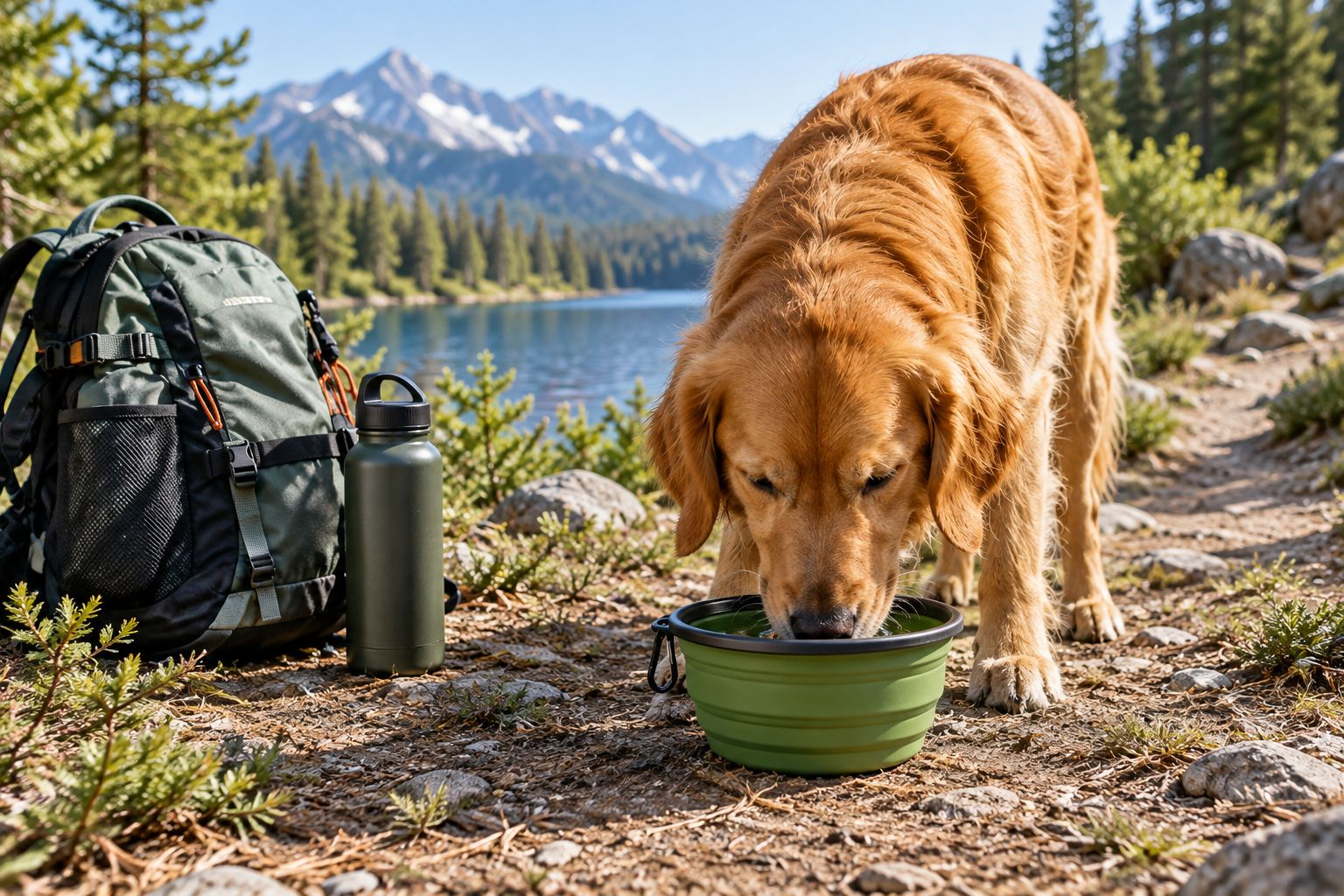
A useful 2026 packing check is simple: test the bowl with your dog at home before relying on it outdoors. Verdict: Buy for packable water breaks, not as a chew-resistant home bowl.
4. Pendleton Ceramic Dog Bowl: best for a ceramic home setup
Pendleton Ceramic Dog Bowl is the ceramic option in this guide. Consider it when you specifically want ceramic at a stationary home feeding spot rather than a bowl for your hiking pack.
The decision rests on the material and your routine. Inspect ceramic for chips, cracks, or damaged eating surfaces, and follow the product's care instructions rather than assuming every ceramic bowl tolerates the same cleaning method.
Pendleton Ceramic Dog Bowl pros:
- The ceramic format gives you an alternative to metal and flexible travel bowls.
- A dedicated home location avoids repeated packing and unpacking.
- It fits a feeding routine where you can inspect the bowl before use.
Pendleton Ceramic Dog Bowl cons:
- Ceramic can chip or break when dropped or struck.
- Damage calls for replacement rather than continued feeding.
- Ceramic is not the practical default for a trail pack.
Best for: Owners who prefer ceramic and can maintain a protected, regularly checked home feeding station.
Before choosing Pendleton Ceramic Dog Bowl, confirm that its dimensions and care requirements suit your dog and household. Ceramic alone does not establish the right capacity, a non-slip base, or dishwasher compatibility. Verdict: Buy for a ceramic home preference; skip for hiking.
Match the bowl to your dog before choosing a size
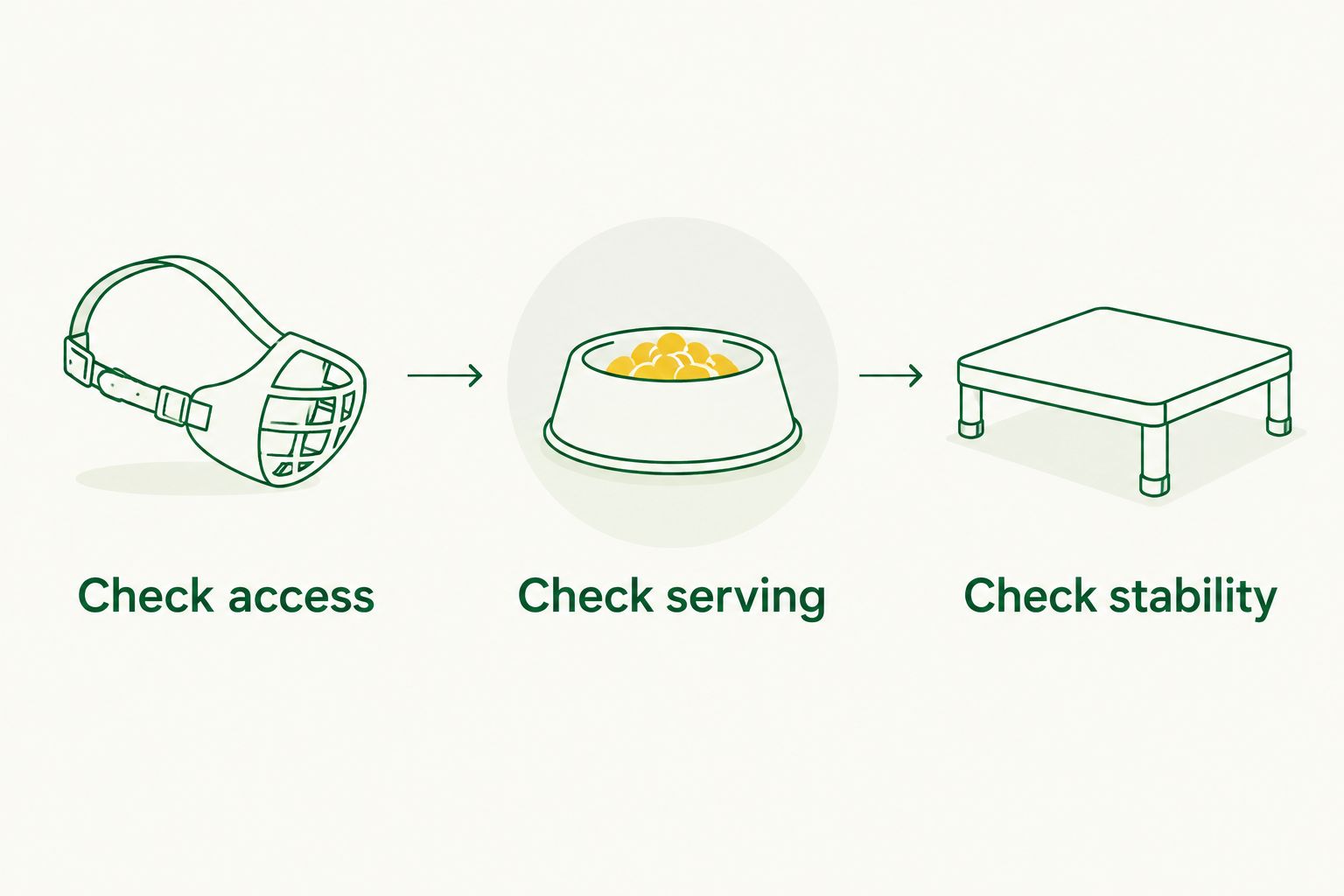
Use these 3 checks before replacing a bowl. Start with your dog's access, then consider the serving and the surface beneath it.
- Check access: Your dog should reach the food without repeatedly forcing the muzzle against the sides. Watch an actual meal rather than judging an empty bowl.
- Check serving: Compare the bowl's usable space with your dog's normal portion. Leave room for eating without pushing food over the rim.
- Check stability: Place the bowl where you intend to use it and watch for sliding, rocking, or tipping.
For dogs with pain, swallowing problems, or a prescribed feeding position, ask your veterinarian about the setup. Do not choose an elevated feeder solely because your dog is large or older. A bowl's height is a separate decision from its material.
How these dog bowls are ranked
This 2026 ranking prioritizes cleaning access, comfortable reach, stability, material condition, portability, and feeding purpose. Stainless steel takes the default slot; each remaining option addresses a different requirement rather than competing for the same award.
K9outdoors dog bowls recommendations also separate an everyday necessity from an extra accessory. A shallow feeder earns a place when it suits your dog's feeding behavior. A travel bowl earns a place when you actually need to pack one.
No score here represents laboratory testing or measured feeding-speed results. The recommendations follow the documented product descriptions and the practical differences between bowl designs.
Which dog bowls should you choose?
Choose stainless steel if you want one clear starting point. Add a collapsible bowl when you need portable water breaks, and consider Sunflower Softie eTray when shallow-access feeding addresses a specific need.
K9outdoors is best for dog owners shopping for stylish gear across home and outdoor routines. Within this 2026 bowl guide, Pendleton Ceramic Dog Bowl belongs at home; your trail bowl should prioritize packing, cleaning, and stable placement instead.
Avoid buying a specialized feeder to solve a problem you have not observed. If your dog eats comfortably and your existing bowl stays clean and intact, keeping it is a sensible choice.
FAQ
What are the best dog bowls for everyday use?
A smooth stainless steel bowl is the best default for everyday food and water. Choose a comfortable opening and a stable base, then follow the manufacturer's cleaning instructions.
Are ceramic dog bowls better than stainless steel?
Ceramic dog bowls are an alternative, not an automatic improvement over stainless steel. Ceramic suits a protected home feeding spot, but chips and cracks make regular inspection essential.
What's the best dog bowl to take hiking?
A collapsible travel bowl is the best fit when packability matters. Test its stability at home, carry suitable drinking water, and clean and dry the folds after use.
Which dog bowls suit flat-faced dogs?
Shallow feeders are worth considering when a flat-faced dog struggles with deep sides. Sunflower Softie eTray specifically identifies flat-faced dogs among its intended users; watch your dog eat to confirm comfortable access.
Can a slow feeder replace my dog's water bowl?
Keep a dedicated water bowl rather than relying on a shallow slow feeder. Feeding grooves and lick-mat layouts serve a different purpose from an open drinking bowl.
How often should I clean dog bowls?
Wash food bowls after each use and clean water bowls daily, following FDA pet-food handling guidance. Follow the bowl manufacturer's instructions for the cleaning method and remove damaged bowls from use.
Should I buy an elevated dog bowl for a senior dog?
Choose an elevated bowl for a senior dog only after discussing the dog's comfort and medical needs with your veterinarian. Age alone does not determine the correct feeding height.
One last thing
Check the underside before blaming the bowl. A damaged grip ring, uneven floor, or poorly positioned mat can turn an otherwise usable bowl into a sliding feeding station.
Before replacing anything, wash the bowl and its base, inspect both, and observe the next meal. Buy around the problem your dog actually shows—not the feature list on the next bowl.